A Sikkim trek packing list should begin with one simple question: what will you carry yourself, and what will your trekking team transport?
This matters because trekking in Sikkim is different from a normal hill walk. On routes such as Goechala, Dzongri and Uttarey Singalila, you may spend several days away from roads, shops and mobile networks.
You might begin your walk in the mild forests of Yuksom, where a light shirt feels comfortable. A few days later, you could be standing above 4,000 metres, facing cold winds and freezing temperatures.
The right equipment makes these changes easier to manage. But you do not need to fill your bag with expensive outdoor products.
This guide explains what clothing, footwear, backpacks and personal items to bring for high-altitude trekking in Sikkim. It also covers sleeping arrangements, seasonal packing, luggage transport and the items best left at home.
What Should You Pack for a Sikkim Trek?
For most guided high-altitude treks in Sikkim, your essential equipment falls into a few groups: warm clothing, waterproof protection, suitable footwear, a backpack, personal hygiene supplies and a small set of safety items.
The exact quantity depends on your trekking route, season and the number of days you will be away.
For example, the Dzongri Trek usually takes fewer days than Goechala. A long Uttarey Singalila Circuit Trek requires even more careful planning because it passes through remote mountain areas before reaching the established Dzongri trail.
Start by confirming your itinerary and the equipment included in your package. Then pack what you personally need.
What Does Your Trekking Operator Provide?
This is worth checking before you buy a backpack, sleeping bag or camping tent.
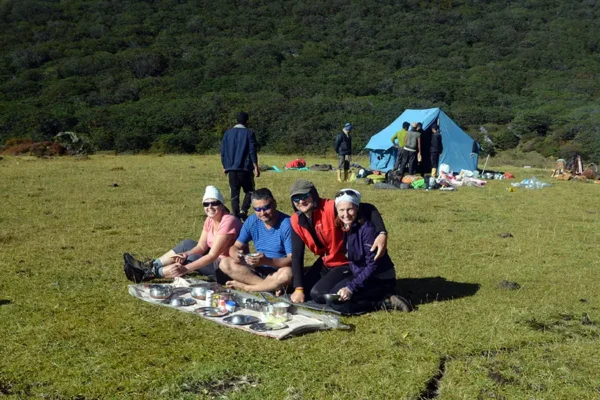
On organised Sikkim treks, the support team may arrange shared tents, cooking equipment, campsite meals, sleeping arrangements and transport for group supplies.
At Go Wild Expedition, our supported Goechala and Dzongri packages include a local guide, camp cooking arrangements, shared camping equipment and transport for group supplies, subject to the confirmed booking terms.
Personal luggage transport is a separate matter.
For example, our Goechala Premium package includes porter service for one agreed personal backpack, within the luggage allowance stated in your quotation. Budget and Standard packages do not automatically include this service.
On the Dzongri Trek, personal porterage may be arranged separately. For longer expeditions such as Uttarey Singalila, the available support and luggage allowance are confirmed in the written quotation.
Do not assume that every trekking company provides the same equipment or services.
Before leaving home, confirm:
- Whether sleeping bags and sleeping mattresses are supplied.
- Whether your personal backpack will be transported.
- The maximum weight or size allowed for transported luggage.
- Whether trekking poles, jackets or other personal gear can be rented.
- What drinking water arrangements are included.
This simple check can save you from buying equipment you will not need or arriving without something essential.
Clothing for High-Altitude Trekking in Sikkim
You do not need a separate outfit for every trekking day. You need clothes that work together as the weather changes.
The best approach is to wear several layers rather than depend on one heavy jacket.
1. Base Layer: Clothing Next to Your Skin
Your base layer helps manage sweat while you walk.
Choose comfortable, quick-drying shirts made from polyester, merino wool or similar fabric. These are easier to dry than ordinary cotton shirts.
For a trek lasting around six to nine walking days, two or three trekking shirts are usually enough. You can wear one, keep another ready and reserve a cleaner shirt for later.
Full sleeves are useful because they protect your arms from strong sunlight, insects and scratches from plants.
Carry one set of thermal innerwear for the colder evenings and nights at high camps.
Thermal clothing is especially useful around Dzongri, Thansing and Lamuney, where temperatures can drop sharply after sunset.
2. Middle Layer: Keeping Your Body Warm
A fleece jacket or warm sweater forms the middle layer.
Its purpose is to hold warmth while allowing you to move comfortably.
A good fleece is useful during chilly mornings, rest stops and evenings in camp. It can also be worn beneath a thicker insulated jacket.
You usually need only one reliable fleece.
Avoid carrying several heavy sweaters that perform the same function. They take up space without offering much additional flexibility.
3. Insulated Jacket: For Cold Mountain Camps
A warm insulated jacket is one of the most important items on a high-altitude trek.
It may be filled with down feathers or synthetic insulation. Both can work well when chosen for the expected conditions.
The jacket should keep you comfortable while sitting or resting at a cold campsite, not only while walking uphill.
For the Goechala Trek, this becomes especially important around Dzongri, Thansing and Lamuney. The early morning walk towards Goechala Viewpoint 1 can also be bitterly cold.
A jacket that feels warm during a winter morning in the city may not provide enough protection at a high Himalayan camp.
Choose the required warmth based on the season and route. If you are unsure, ask your trekking operator before purchasing one.
4. Waterproof Jacket and Rain Protection
Rain protection is essential even when you are trekking during a generally dry season.
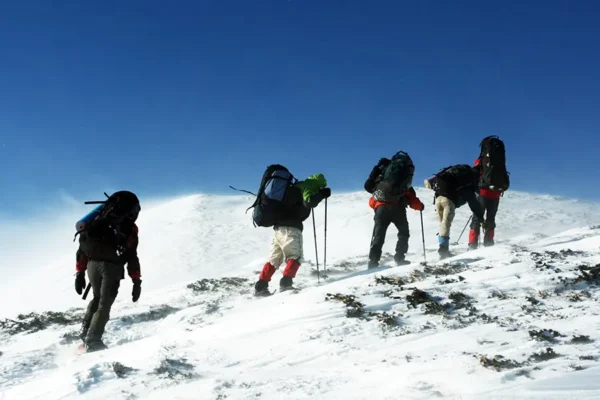
Weather changes quickly in the Sikkim Himalayas. Rain can fall in the forests, while higher areas may experience sleet or snow.
Carry a dependable waterproof outer jacket with a hood. It should fit comfortably over your fleece or insulated layers.
Waterproof trousers are useful for prolonged rain, snow or cold, exposed conditions. A well-fitted trekking poncho can also be practical on some sections.
However, a loose poncho may be awkward in strong wind or on rough terrain.
The important thing is to keep your warm clothing dry. Once your insulating layers become wet, staying comfortable in the cold becomes much harder.
5. Trekking Pants and Thermal Trousers
Two pairs of quick-drying trekking trousers are generally enough for most short and medium-length treks.
Wear one pair and keep the second for changing into when the first becomes wet.
Choose flexible material that allows you to climb steps, cross streams and walk on uneven ground.
Jeans are a poor choice for high-altitude trekking. They are heavy, restrict movement and take a long time to dry.
Thermal trousers can be worn beneath your trekking pants during very cold weather or while sleeping.
6. Gloves, Caps and Neck Protection
Your hands, ears and face need protection at high altitude.
Carry a warm woollen cap or beanie, a sun hat and a neck gaiter or scarf.
For your hands, take one light pair of gloves and one warm, insulated pair.
The lighter gloves are useful during cool walking hours, while the warmer pair provides protection during cold mornings and evenings.
Water-resistant outer gloves are helpful when snow or prolonged wet weather is expected.
These items are small, but they make a noticeable difference when the wind picks up on an exposed ridge.
What Shoes Are Best for Trekking in Sikkim?
Your trekking shoes deserve more attention than almost anything else in your bag.
On the Goechala and Dzongri routes, the trail includes forest paths, roots, wet stones, steep climbs and uneven steps.
The long descent back towards Yuksom can also be hard on your feet.
Choose trekking shoes or boots that fit properly, provide reliable grip and protect your feet on rough ground.
Mid-height trekking boots are a practical choice for many trekkers, especially those carrying a heavier load. However, high ankle support is not compulsory for every person or every trail.
Some experienced trekkers prefer lighter hiking shoes. The right choice depends on the terrain, expected weather, pack weight and your own comfort.
Should You Buy Waterproof Trekking Boots?
Waterproof boots can be useful on wet forest paths, muddy trails and in snow.
However, waterproof footwear is not perfect for every situation. If water enters from the top, it may take time to dry.
Good grip, fit and comfort remain essential.
Avoid buying an extremely stiff or heavy boot just because it looks suitable for mountaineering.
Normal Goechala and Dzongri trekking routes do not require technical mountaineering boots under ordinary trail conditions.
Never Start a Long Trek in Unfamiliar Boots
Do not buy new boots immediately before leaving for Sikkim and expect them to feel comfortable.
Wear them regularly before your trip. Walk uphill, downhill and on uneven ground with the socks you plan to use.
Check whether your heels rub, whether your toes touch the front during descents and whether the shoes feel uncomfortable after several hours.
A badly fitted boot can cause blisters that make even an otherwise manageable trek painful.
How Many Pairs of Socks Should You Carry?
Three or four pairs of trekking socks are practical for many multi-day trips.
Choose wool or quick-drying synthetic material. These help manage moisture better than ordinary cotton socks.
Keep one warm, dry pair just for sleeping.
Do not wear wet socks to bed. If your walking socks have become damp, change into dry ones as soon as you reach camp.
A lightweight pair of slippers or sandals is also useful for relaxing at camp and giving your feet a break from boots.
Choosing the Right Backpack for a Sikkim Trek
The backpack you need depends on whether you are carrying all your personal gear or only the essentials for the day.
Daypack: Around 20 to 30 Litres
If the trekking company transports your main luggage, a daypack of approximately 20 to 30 litres is usually suitable.
It should hold drinking water, rainwear, a warm layer, snacks, personal medicine, a headlamp and other items you may need before reaching camp.
Look for comfortable shoulder straps, a secure waist or chest strap and easy access to smaller items.
Do not make your daypack so large that you end up carrying unnecessary weight.
Main Backpack: Around 50 to 65 Litres
If you must carry your own clothing and sleeping equipment, a larger backpack may be necessary.
For many supported multi-day treks, a capacity of about 50 to 65 litres is a reasonable starting point.
However, the actual capacity depends on how bulky your clothing is, which equipment is provided and how much weight you can safely carry.
For long expeditions such as Uttarey Singalila, the size and luggage arrangement should be planned around the full itinerary.
Do not buy a large backpack before checking the operator’s luggage policy.
How to Keep Your Backpack Dry
A rain cover helps protect the outside of your bag, but it may not prevent water from entering during prolonged rain.
Use an inner waterproof liner or reusable dry bags for your spare clothes, sleeping items and electronics.
Keep your most important warm layer in a bag that you can reach easily.
When you arrive at camp, having dry socks and a dry jacket makes a remarkable difference.
Sleeping Bags and Camping Equipment
A sleeping bag should be suitable for the coldest nights expected on your trek.
On high-altitude routes such as Goechala and Dzongri, nighttime temperatures can fall below freezing, particularly during colder parts of the trekking season.
Do not choose a sleeping bag only because it is labelled for minus ten degrees Celsius.
Sleeping bag ratings differ. Some describe a comfort temperature, while others refer to a lower limit at which the user may no longer feel comfortable.
A person who sleeps cold may need more insulation than another person using the same bag.
Ask your trekking operator about the sleeping bag provided, its temperature rating, the mattress and the expected conditions at the highest campsite.
If you are bringing your own sleeping bag, make sure it is suitable for the route.
A sleeping bag liner can be useful for personal comfort and cleanliness, but it cannot turn an unsuitable sleeping bag into one designed for extreme cold.
Do You Need to Carry Your Own Tent?
On a supported camping trek, shared tents and group camping equipment are commonly arranged by the operator.
At Go Wild Expedition, our confirmed supported packages specify the shared camping arrangements.
You do not need to bring a personal tent unless your booking says otherwise.
A separate personal tent can add significant weight and may not fit the approved campsite arrangements.
Essential Items to Keep in Your Daypack
Some belongings should remain with you throughout the walk, even if a porter or pack animal carries your main luggage.
A long mountain trek can have unexpected delays. The person carrying your larger bag may travel at a different pace and may not be available until camp.
Headlamp and Spare Power
A headlamp is essential for early starts, nighttime movement around camp and unexpected delays.
On the Goechala Trek, the viewpoint walk normally begins before sunrise. You will need both hands free while walking in the dark.
Choose a reliable headlamp and test it before leaving home.
Carry spare batteries or a charging arrangement, depending on the type you use.
Cold weather can reduce battery performance, so keep spare batteries and power banks protected.
Water Bottles
Carry reusable water bottles with enough capacity for the day’s walking.
Around two litres of carrying capacity is a practical starting point for many trekkers, but the actual amount needed between refills depends on the route, effort, weather and water supply.
Ask your guide where drinking water will be available.
Do not assume that water from a clear mountain stream is safe to drink without treatment.
On supported treks, the cooking team may provide boiled or treated drinking water. Confirm the arrangements before departure.
A vacuum flask is useful if you prefer carrying warm water or tea in cold weather.
Trekking Poles
One or two trekking poles can help with balance on steep, muddy and uneven trails.
They are especially helpful during long descents, when tired legs and slippery steps increase the chance of losing your footing.
Adjustable poles are convenient because you can change their length for climbing and descending.
You do not need expensive poles, but they should be strong enough for regular mountain use.
Sunglasses and Sun Protection
Sun exposure becomes stronger at high altitude.
Carry sunglasses that protect against ultraviolet radiation, a sun hat, sunscreen with a sun protection factor of at least 30 and protective lip balm.
Snow, water and pale rocky surfaces can reflect sunlight towards your eyes and skin.
Apply sunscreen even when the weather feels cold. A chilly mountain day can still produce sunburn.
Personal First Aid and Medicine
Carry a small personal first-aid kit with blister plasters, ordinary wound dressings and the medicines you normally use.
If you have allergies or take prescription medicine, bring enough for the entire trip, plus a reasonable reserve in case your journey is delayed.
Keep essential medicines in your daypack rather than in luggage you cannot access during the walk.
If your doctor has prescribed medication for altitude illness, carry it with the instructions provided.
A trekking team’s medical kit does not replace your personal prescriptions.
For more information about altitude symptoms and acclimatisation, read our Altitude Sickness in Sikkim guide.
Toiletries and Personal Hygiene
Campsites on high-altitude trekking routes are not like hotels. Washing facilities may be limited, and the weather can make bathing impractical.
Carry a toothbrush, toothpaste, a small quick-drying towel, a comb and the personal hygiene products you need.
Hand sanitiser and toilet paper are useful when washing facilities are unavailable.
Women should carry adequate menstrual products, personal hygiene supplies and disposal bags for the full trip.
Avoid packing large bottles of shampoo, several kinds of soap or other bulky toiletries that you are unlikely to use.
Even biodegradable soap should not be used directly in streams or lakes.
Do Not Leave Used Hygiene Products on the Trail
Used wet wipes, sanitary products, tissues and other waste should never be left at a campsite or hidden beneath rocks.
Keep a small, secure bag for personal waste and follow the waste collection arrangements provided by your trekking team.
The same applies to batteries, food wrappers and other rubbish.
Documents and Money to Carry
Before setting out, confirm that the necessary trekking and protected-area permissions have been arranged.
Indian trekkers should carry an accepted government identity document and any personal documents requested for the permit process.
Foreign trekkers should carry their passport, Indian visa, approved Sikkim entry permission and relevant trekking documentation.
Your trekking operator may handle the main permit applications, but you should still know what documents you are required to carry.
For a full explanation, read our Sikkim Permit Guide.
Carry some cash for personal needs before and after the trek. Do not expect automated teller machines or digital payments to be available at remote campsites.
A small amount of money can be useful for personal purchases, unexpected road delays or other expenses outside your trekking package.
Electronics and Photography Equipment
You do not need to carry every electronic device you own.
A mobile phone, charging cable and suitable power bank are enough for many trekkers.
Electricity and mobile coverage become unreliable or unavailable after the last road-connected settlements.
If you carry a camera, pack spare batteries and memory cards. Keep them dry and protected from cold.
Heavy camera lenses, tripods and extra accessories can quickly increase your luggage weight.
Choose equipment based on the photographs you genuinely want to take, not everything you might possibly use.
Download useful maps and emergency contact details before leaving the base village, but follow your authorised guide and approved route rather than relying solely on a phone.
What to Pack for Different Trekking Seasons
Sikkim’s mountain weather changes by season and elevation.
A trek beginning from Yuksom passes through conditions very different from those at Dzongri or Lamuney.
Spring: March to May
Spring is known for the flowers and greenery of the lower forests, especially the rhododendron belt.
However, clear mornings can turn into wet afternoons. High camps may still experience freezing temperatures, snow and strong wind.
Pack a dependable waterproof layer, warm insulated jacket, gloves and suitable footwear.
Do not assume that spring means warm weather throughout the trek.
Autumn: October and November
Autumn often provides clearer mountain views after the monsoon.
The days may be pleasant while walking, but the nights become colder as the season progresses.
Warm clothing is particularly important at high camps and during early morning viewpoint walks.
Carry good insulation, thermal layers and protection for your hands and head.
Rain protection is still necessary, even when the forecast looks favourable.
Winter and Snow Conditions
Some high-altitude trails may be closed or restricted during periods of heavy snow.
A winter trek should only be planned when the route is permitted and local conditions allow it.
Snow can require specialised footwear, traction equipment and other protection beyond a normal trekking packing list.
Do not buy or carry technical snow equipment without knowing whether your route requires it and whether your guide will provide it.
For a month-by-month overview, read our Best Time to Visit Sikkim guide.
Packing for Goechala, Dzongri and Singalila
The core equipment remains similar, but each trek has different demands.
Goechala Trek
Our standard Goechala Trek takes 11 days, including arrival and departure, with nine days on the trail.
You need clothing for several cold nights, a reliable headlamp for the early viewpoint walk and comfortable footwear for long ascents and descents.
A warm jacket, dry thermal layers and a good sleeping arrangement are particularly important around Dzongri, Thansing and Lamuney.
If you select a package that includes personal porterage, confirm the luggage allowance before packing.
View our Goechala Trek itinerary.
Dzongri Trek
Our Dzongri Trek programme lasts eight days, including arrival and departure.
Although it is shorter than Goechala, the route reaches high elevation near Dzongri Top.
You still need proper thermal clothing, rain protection, a warm jacket, trekking shoes and a reliable daypack.
Do not leave your warmest clothing behind simply because you are not continuing to Goechala.
View our Dzongri Trek itinerary.
Uttarey Singalila Circuit Trek
Our proposed Uttarey Singalila Circuit takes 17 days, including arrival and departure.
This is a longer, remote trek that crosses the western ridges before joining the Dzongri and Goechala route.
Because you spend many days away from road access, small packing decisions become more important.
Carry enough personal hygiene supplies, properly organised spare clothing and reliable power for your essential devices.
Waterproof your luggage carefully and keep your emergency items accessible.
The exact packing plan should match the approved route, season, campsite arrangements and expedition support.
View our Uttarey Singalila Circuit itinerary.
What Not to Pack for a Sikkim Trek
A heavy backpack can make long mountain days unnecessarily difficult.
Leave behind items that do not serve a clear purpose.
You generally do not need several pairs of ordinary shoes, heavy jeans, large towels, a different outfit for every day or bulky toiletry bottles.
Avoid carrying expensive accessories and jewellery that serve no purpose on the trail.
Large amounts of packaged food are also unnecessary when the trek includes a cooking team and regular meals. Carry a few personal snacks you enjoy, especially if you have specific dietary needs.
Do not overload your bag with electronics that need constant charging.
Most importantly, do not cut down on warm clothing, rain protection, personal medication or other essential safety equipment merely to make your backpack lighter.
Packing light means removing unnecessary weight, not leaving yourself unprepared.
Trekking in Sikkim: Final Packing Checklist
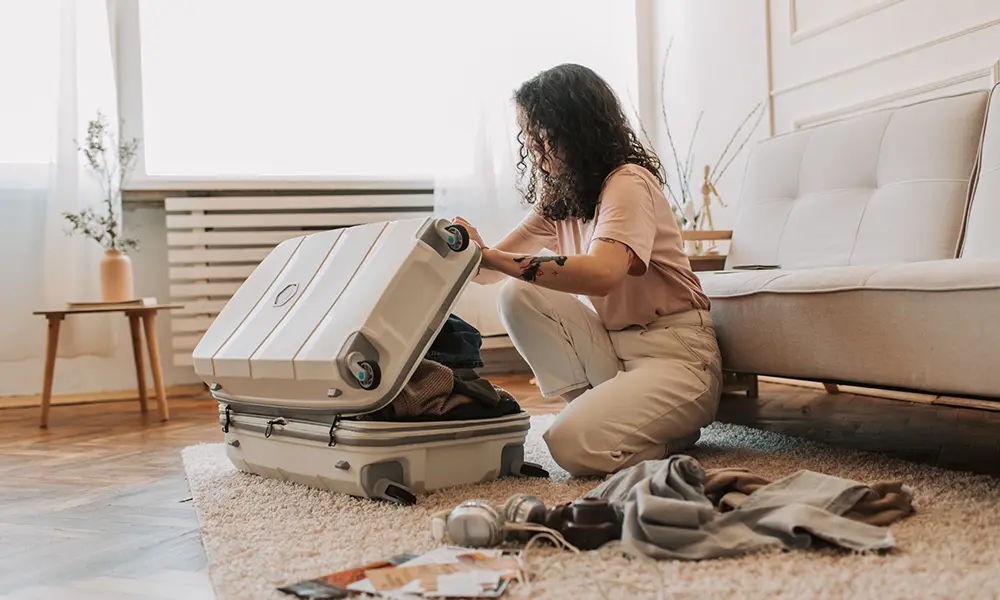
Use this checklist before leaving home. The quantities below are a starting point for a supported trek of approximately six to nine walking days, not a fixed allowance for every route.
For the longer Uttarey Singalila expedition, review clothing rotation, battery life, medicine supplies and personal hygiene items for the full route.
Frequently Asked Questions
What is the most important item for a Sikkim trek?
Comfortable trekking footwear, adequate warm clothing and reliable rain protection are among the most important items. A headlamp, water container and personal medicines are also essential.
How big should my backpack be?
If your main luggage is transported, a daypack of around 20 to 30 litres may be sufficient. If you carry all your own clothing and gear, you may need a larger backpack. Check your package before buying one.
Do I need to carry a sleeping bag for Goechala?
That depends on your booking. Confirm whether a suitable sleeping bag and mattress are included, and whether you need to bring your own or arrange an upgrade.
Are trekking poles necessary for Dzongri?
They are not compulsory for everyone, but they are useful on steep climbs, muddy paths and long descents.
Can I wear sports shoes on the Goechala Trek?
Ordinary sports shoes may lack the grip and protection required for rough, wet mountain trails. Properly fitted trekking shoes or boots are a more suitable choice.
How many clothes should I pack for a week-long trek?
Two or three trekking shirts, two pairs of trousers, a fleece, a warm jacket, thermal innerwear and sufficient socks and underwear will suit many supported treks. Adjust this for the season and your personal needs.
Can I rent trekking equipment in Sikkim?
Some equipment may be available through trekking operators or rental arrangements, but availability is not guaranteed. Ask before travelling, especially if you need a specific size or sleeping bag rating.
Do I need waterproof clothing in October?
Yes. October often brings relatively clear conditions, but rain and snow remain possible. Carry waterproof protection regardless of the forecast.
Should I bring my own drinking water?
Bring reusable water bottles. Ask your operator how water is treated and where refills will be available. Carrying bottled water for an entire multi-day trek is unnecessary when safe refill arrangements are provided.
Can I charge my phone during the Goechala Trek?
Do not depend on regular charging facilities at high camps. Carry a charged power bank and use your phone battery carefully.
Is a 10-kilogram backpack too heavy?
It depends on your fitness, the terrain, whether you are carrying camping gear and how long you will walk. There is no single suitable pack weight for every person. Pack only what you need and confirm any porterage allowance with your operator.
Pack Responsibly and Respect the Mountains
The forests and mountains of Sikkim are not simply places for adventure. They are also home to local communities, wildlife and sacred landscapes.
The Yuksom trekking region has a long tradition of environmental care. The Khangchendzonga Conservation Committee and local authorities have worked for years to keep the national park trails free from litter.
Trekkers entering protected areas are expected to follow waste management rules and bring back their non-biodegradable rubbish.
Do not leave plastic wrappers, used tissues, batteries or other waste behind. Do not throw food packaging into streams or hide rubbish beside campsites.
Use reusable containers whenever possible, follow your guide’s instructions and carry your waste back for proper disposal.
Good trekking equipment helps you enjoy the mountains. Responsible behaviour helps protect them.
Ready for Your Sikkim Trek?
You do not need the most expensive equipment to enjoy trekking in Sikkim. You need suitable clothing, comfortable footwear, a practical backpack and a clear understanding of what your trekking package includes.
A few thoughtful choices before leaving home can make your journey much more comfortable.
At Go Wild Expedition, we arrange guided treks from Yuksom and Uttarey, with local teams familiar with the routes and camping conditions.
Before your departure, share your trekking dates and equipment questions with us. We can help you check what is included in your package, what you should bring and which items may be unnecessary.
Pack for the trail you are actually going to walk, and you will have far less to worry about once the journey begins.