Sikkim is a small Himalayan state in northeastern India, known for Mount Khangchendzonga, deep mountain valleys, old monasteries, rich forests and a remarkable diversity of peoples and traditions. It lies between Nepal, Bhutan, Tibet and the Indian state of West Bengal.
Yet Sikkim is more than a destination of snowy mountains and beautiful lakes. Its history reaches back to indigenous communities whose languages, spiritual traditions and relationship with the land remain part of everyday life. It was once an independent Himalayan kingdom and became India’s 22nd state in 1975.
Today, Sikkim brings together historic villages, busy towns, farms, sacred landscapes and some of the most demanding trekking routes in the Eastern Himalayas.
Understanding Sikkim begins with its people as much as its geography. From the Lepcha and Limbu communities to the Bhutias and the many other communities that have shaped the region, each has contributed to the state’s identity.
This guide explores Sikkim’s location, history, indigenous peoples, languages, festivals, food, natural environment and major places to visit. It also explains the practical details travellers should know before arriving.
Sikkim at a Glance
The population figure is from India’s 2011 Census. More recent estimates may differ, but they should not be mistaken for a completed census count.
Where Is Sikkim Located?
Sikkim lies in the Eastern Himalayas, where a short distance on the map can mean an enormous change in height, temperature and landscape.
To the west is Nepal. Bhutan lies to the east and southeast, while Tibet, administered as part of China, lies to the north and northeast. West Bengal connects Sikkim with the rest of India to the south.
Sikkim is India’s second-smallest state by area, after Goa. But unlike a small state of mostly level ground, Sikkim is shaped by mountains, deep river valleys and steep slopes.
Its southern valleys are relatively warm and humid. As the roads climb northward, subtropical vegetation gives way to temperate forests, alpine meadows, rocky mountains and glaciers.
This great variation in elevation is one reason a traveller can encounter several different climates during a single journey.
Mountains, Valleys and Rivers
The most important mountain in Sikkim is Khangchendzonga, at 8,586 metres above sea level. It is the third-highest mountain in the world and one of the most recognisable features of the Eastern Himalayas.
The mountain stands on the India-Nepal border and has a significance that extends far beyond geography.
The Teesta is Sikkim’s principal river. Flowing through deep valleys, it receives water from numerous mountain streams and tributaries. The Rangit, also called Rangeet, is another important river, particularly in the western and southern parts of the state.
These rivers influence settlement, farming, transport and hydropower. They also remind us how strongly life in Sikkim depends on mountain weather.
Heavy rainfall, floods and landslides can affect roads and communities, especially during the monsoon.
The History of Sikkim
Sikkim’s history did not begin with the establishment of its monarchy. The land was inhabited by indigenous peoples long before it became a recognised kingdom.
The Lepcha and Limbu communities have deep historical associations with this part of the Himalayas. Their oral histories, languages and traditions preserve different understandings of the land and its origins.
Later movements of people, including Tibetan-speaking Bhutia communities and other Himalayan groups, added further layers to Sikkim’s history.
Where Did the Name Sikkim Come From?
The name Sikkim is commonly connected to a Limbu expression meaning “new house” or “new home.”
One historical account links the name to a Limbu queen of the Namgyal royal family and the naming of a royal residence.
The Government of Sikkim records versions of this tradition using forms such as Su Khim, Song-him and Sukhim.
Sikkim also has other names in the languages and traditions of its peoples.
For the Lepchas, the sacred homeland is known as Mayel Lyang, often understood as a hidden or blessed land.
In the Sikkimese Buddhist tradition, the region is associated with Beyul Demazong, a hidden valley of rice and a sacred Himalayan landscape.
These names reveal something important. Sikkim has never belonged to just one cultural story.
The Kingdom of Sikkim and the First Chogyal
A major turning point came in 1642, when Phuntsog Namgyal was consecrated as the first Chogyal of Sikkim.
The ceremony took place at Norbugang in Yuksom, in present-day Gyalshing district.
The Chogyal was both a ruler and a figure associated with the Buddhist religious order. The Namgyal dynasty governed Sikkim for more than three centuries, although the kingdom’s political authority and territorial boundaries changed over time.
Yuksom became the first royal capital.
The capital later moved to Rabdentse, near present-day Pelling, and subsequently to Tumlong. Gangtok became the capital during the late nineteenth century.
The remains of Rabdentse can still be visited today. The ruins are among the most significant historical places in western Sikkim.
Sikkim Under British Influence
During the eighteenth and nineteenth centuries, Sikkim’s position between Nepal, Tibet and British-controlled India became increasingly important.
Regional conflicts and British expansion changed the kingdom’s political circumstances.
Darjeeling was transferred to the British in 1835, and British influence grew through subsequent agreements.
By 1890, Sikkim had become a British protectorate, limiting the kingdom’s independence in external affairs.
The British period also brought new administrative arrangements, transport routes and political pressures that continued to shape the region.
How Sikkim Became Part of India
After India gained independence in 1947, Sikkim continued as a kingdom.
Under the Indo-Sikkim Treaty of 1950, it became an Indian protectorate. It retained authority over internal affairs while India assumed responsibility for matters including defence and external relations.
Political movements during the early 1970s called for greater democratic representation and changes to the monarchy.
In 1975, after a period of political upheaval, a referendum and constitutional changes, the monarchy was abolished.
On 16 May 1975, Sikkim became India’s 22nd state.
This transition remains an important subject in the state’s political history. It is best understood through the events and different political perspectives of that period, rather than reduced to a simple story of an entirely uncontested change.
Today, Sikkim has an elected Legislative Assembly, and its special constitutional provisions are recognised under Article 371F of the Indian Constitution.
The People and Communities of Sikkim
Many introductions to Sikkim describe only three communities: Lepcha, Bhutia and Nepali.
This is an oversimplification.
It reflects a broad historical or linguistic classification rather than the full diversity of the people who live here. Sikkim is home to several communities with their own languages, customs, oral histories, festivals and religious traditions.
One particularly important omission is the indigenous Limbu community, also known as Limboo, Yakthung and Tsong, or locally as Chongs.
The Limbu people are not simply an unnamed part of a general population category. They have a distinct historical identity and a longstanding relationship with Sikkim.
To understand the state’s culture, we must look beyond the familiar three-community description.
Lepcha: An Indigenous People of Sikkim
The Lepchas, who also identify as Rong, are among the earliest known inhabitants of Sikkim.
Their cultural homeland is associated with the mountains, forests and valleys of Mayel Lyang.
Traditional Lepcha beliefs maintain a close relationship with nature. Mountains, rivers, caves, forests and particular places within the landscape carry spiritual meaning.
The Mun and Bongthing are important traditional ritual practitioners.
Lepcha religious life is diverse today. Traditional practices continue alongside Buddhism and Christianity, and families may preserve different combinations of customs.
The Lepcha language has its own writing tradition and remains an important part of the state’s cultural heritage.
Dzongu in northern Sikkim is particularly significant as a protected Lepcha reserve. Its villages, forests and traditional way of life are closely connected to the community’s identity.
Limbu or Chong: An Indigenous Community Often Overlooked
The Limbu community, also written Limboo and known as Yakthung, is one of Sikkim’s indigenous peoples.
Historical references also use the names Tsong and Subba. In local usage, Chongs is another name associated with the community.
The Limbu presence is especially strong in western Sikkim, including areas around Soreng, Daramdin, Dentam, Hee and other settlements. Limbu families also live in the southern, eastern and northern parts of the state.
The community’s historical roots extend across the eastern Himalayan region, including the territory traditionally associated with Limbuwan.
The Sikkim government’s Tribal Research Institute recognises the Limboos as an ancient indigenous community. It also records the community’s contribution to the history of Sikkim’s name.
This matters because writing about Sikkim solely through the categories of Lepcha, Bhutia and Nepali can leave out an entire indigenous history.
The Limbu language belongs to the Sino-Tibetan language family and has its own Sirijunga writing system.
The scholar Teyongsi Sirijunga is remembered for his contribution to reviving and promoting Limbu language and literature. His birth anniversary is celebrated in Sikkim.
Limbu Spirituality and the Mundhum
Traditional Limbu spirituality is associated with Yuma Samyo, also called Yumaism.
Yuma Sammang holds an important place in religious belief and practice, while the Mundhum preserves sacred narratives, knowledge and traditions transmitted through generations.
The Phedangma, Samba and Yeba or Yema are among the traditional ritual practitioners who perform ceremonies connected with family life, ancestors, healing and religious observance.
Not every Limbu household follows identical practices today. Some members of the community follow Christianity, Buddhism, Hinduism or other beliefs while retaining aspects of Limbu cultural identity.
Limbu Music, Dance and Festivals
The Chyabrung, also known as Kay Lang, is a distinctive drum and dance tradition associated with the Limbu community.
The Yalang, or Dhan Nach, is another important dance tradition. Songs and dances often carry stories of relationships, farming, family life and the natural world.
Chasok Tongnam is one of the community’s major harvest celebrations. It involves giving thanks for the harvest through traditional offerings and ceremonies.
Balihang Tongnam and the observance of Teyongsi Sirijunga Sawan Tongnam also hold important places in Limbu cultural life.
These traditions are not simply attractions performed for visitors. They are living expressions of the community’s identity.
Bhutia: The Buddhist Heritage of Sikkim
The Bhutia community has deep roots in Sikkim’s royal and Buddhist history.
Many Bhutia families trace their ancestry to Tibetan-speaking populations who settled in the region over several centuries.
The Sikkimese Bhutia language, also known as Drenjongke, is distinct from standard Tibetan, although the languages are related.
Buddhism has shaped much of the community’s religious and cultural life.
Monasteries, sacred texts, festivals, masked dances and traditional ceremonies remain important.
The historical Namgyal monarchy is closely associated with this cultural tradition.
The friendship and oath of brotherhood between Lepcha and Bhutia ancestors at Kabi Lungchok form an important part of Sikkim’s historical memory.
That relationship is also remembered through the festival of Pang Lhabsol.
Other Communities That Shape Sikkim
Sikkim’s people cannot be described accurately without recognising Rai, Tamang, Gurung, Magar, Sherpa, Newar, Sunwar, Mukhia and other communities.
Each has its own cultural history, even where Nepali is widely used as a shared language.
The Rai communities preserve different linguistic and cultural traditions, including Sakewa celebrations connected with ancestral respect and agricultural life.
Tamang communities have their own language, music and Sonam Lhochhar New Year celebration. The Damphu drum holds a special place in Tamang cultural expression.
The Gurungs celebrate Tamu Lhochhar, while the Magar community observes Barahimizong.
The Newar community has distinctive customs and celebrates festivals such as Indra Jatra.
Sherpa communities maintain their own Himalayan religious and cultural traditions.
Other long-established residents and families from different parts of India also contribute to the social and economic life of modern Sikkim.
No single community represents the whole state. Sikkim’s identity has developed through centuries of interaction among its peoples.
Languages Spoken in Sikkim
Nepali is widely spoken across Sikkim and often serves as the everyday common language between people from different communities.
English is used extensively in administration, education and tourism. Hindi is also widely understood, particularly in towns and among people working with visitors.
But Sikkim is not a one-language state.
Bhutia, Lepcha, Limboo, Rai, Tamang, Gurung, Magar, Sherpa, Newar and other languages are part of its cultural landscape.
Several of these have official recognition or are supported through language education and cultural institutions.
Some communities have their own scripts and extensive oral traditions. Others have made significant efforts to preserve and teach languages that might otherwise be lost.
For visitors, speaking a few simple local greetings can be a pleasant way to connect with people, but respect matters more than perfect pronunciation.
Religion and Spiritual Traditions in Sikkim
Buddhist monasteries are among Sikkim’s most recognisable landmarks, but religion here is not limited to Buddhism.
Hinduism, Christianity, Islam, Sikhism and indigenous spiritual traditions are all represented in the state.
Traditional Lepcha beliefs and Limbu Yuma Samyo practices are particularly important to understanding Sikkim’s indigenous religious heritage.
For many communities, spirituality is closely connected to the natural environment.
A mountain may be understood as a sacred guardian. A lake may be associated with ancestral traditions. A particular forest or cave may have ritual importance that long predates modern tourism.
This connection between people and landscape is one reason Sikkim’s mountains should be approached with respect.
Why Is Mount Khangchendzonga Sacred?
Khangchendzonga is not simply Sikkim’s highest mountain.
It is revered as the abode of a protective deity in Sikkimese Buddhist traditions and has sacred significance in the cultural worlds of indigenous peoples.
Local stories and rituals connect the mountain with the identity and protection of the land.
The annual Pang Lhabsol festival honours Khangchendzonga and celebrates the historical bond between the Lepcha and Bhutia communities.
In this way, the mountain connects geography, religion and history.
Major Festivals of Sikkim
Sikkim’s festival calendar reflects its many languages, faiths and communities.
Some festivals follow lunar calendars, so their dates move from year to year. Others are celebrated on fixed dates.
Pang Lhabsol
Pang Lhabsol is one of the festivals most closely associated with Sikkim.
It honours Mount Khangchendzonga as a guardian deity and remembers the historical brotherhood between the Lepcha and Bhutia peoples.
Masked and ceremonial dances are performed at selected religious centres, including the traditional warrior dance known as Pangtoed Chaam.
The festival usually falls in August or September, depending on the Tibetan lunar calendar.
Tendong Lho Rum Faat
Celebrated by the Lepcha community on 8 August, Tendong Lho Rum Faat honours Mount Tendong.
According to Lepcha tradition, the mountain provided refuge during a great flood.
The festival preserves an important connection between Lepcha ancestral history and the sacred landscape.
Chasok Tongnam
Chasok Tongnam is a major Limbu harvest festival, commonly observed in December.
The first produce of the harvest is offered with gratitude to Yuma Sammang and other revered spiritual beings.
The celebration brings together religious ceremonies, cultural performances, traditional music and community gatherings.
It is an important occasion for the preservation of Limbu heritage in Sikkim.
Teyongsi Sirijunga Sawan Tongnam
This festival honours the scholar Teyongsi Sirijunga, remembered for his contribution to the revival of Limbu language and script.
It has a special significance for Limbu literature, education and cultural identity.
Losoong and Namsoong
Losoong and Namsoong are harvest and New Year celebrations associated respectively with the Bhutia and Lepcha traditions.
They are commonly celebrated towards the end of the year, with prayers, gatherings and traditional performances.
Losar and Other New Year Festivals
Losar, the Tibetan New Year, is celebrated by Buddhist communities.
Sonam Lhochhar is observed by the Tamang community, while Tamu Lhochhar marks the Gurung New Year.
These celebrations show how different calendars and traditions remain important across the state.
Dashain, Tihar and Other Festivals
Dashain and Tihar are widely celebrated by many families in Sikkim. Homes are decorated, relatives visit one another and traditional foods are prepared.
Other important celebrations include Sakewa, Barahimizong, Indra Jatra, Saga Dawa, Buddha Jayanti, Christmas and festivals associated with individual communities.
Visitors are welcome at many public celebrations, but religious ceremonies should always be approached respectfully.
Geography and the Six Districts of Sikkim
Sikkim has six administrative districts: Gangtok, Mangan, Namchi, Gyalshing, Pakyong and Soreng.
Gangtok, Mangan, Namchi and Gyalshing correspond broadly to the former East, North, South and West districts. Pakyong and Soreng became separate districts in December 2021.
Each district offers a different experience of Sikkim.
Gangtok District
Gangtok is the capital and the state’s main administrative and commercial centre.
MG Marg is a well-known pedestrian street with shops, cafés and places to spend a relaxed evening.
Beyond the town are monasteries, viewpoints and important religious sites, including Rumtek Monastery.
The district also provides access to popular protected sightseeing destinations such as Tsomgo Lake and Nathula Pass, subject to the required permits.
Gangtok is a practical starting point for first-time visitors, especially those arriving from Siliguri or Bagdogra.
Mangan District
Mangan covers much of northern Sikkim and includes some of the state’s most dramatic mountain landscapes.
Lachung, Yumthang Valley, Lachen and the high-altitude regions farther north are associated with this district.
Dzongu, the protected Lepcha reserve, is another important part of the region.
The scenery changes from settled valleys and forested slopes to alpine terrain, snow and glacial landscapes.
Some destinations are subject to nationality-based access rules, permits and changing road conditions.
Namchi District
Namchi district combines cultural attractions, hill towns, villages, farms and mountain views.
Namchi town is known for Samdruptse and the Siddhesvara Dham complex, often called Char Dham.
Ravangla is a popular place to visit Buddha Park and enjoy the surrounding hill scenery.
Temi Tea Garden is another distinctive attraction. Its slopes offer a different landscape from the high mountains farther north.
The district is a suitable choice for travellers interested in comfortable sightseeing, short walks and village experiences.
Gyalshing District
Gyalshing district occupies a historically important part of western Sikkim.
Pelling is widely visited for its views of the Khangchendzonga range and attractions such as Pemayangtse Monastery and the Rabdentse ruins.
Khecheopalri Lake and Tashiding are important spiritual destinations.
Yuksom, Sikkim’s first royal capital, is also located here.
The village is the starting point for the famous Dzongri and Goechala trekking routes through Khangchendzonga National Park.
For travellers who want to understand both Sikkim’s history and its mountain wilderness, this district deserves more than a hurried overnight visit.
Pakyong District
Pakyong district lies towards the eastern and southeastern parts of Sikkim.
It includes Pakyong town, the state’s airport, and settlements such as Rongli and Rhenock.
Aritar and the surrounding eastern hills are known for their lakes, villages and scenic roads.
The district also provides an approach towards parts of the Old Silk Route, where protected-area permits and access restrictions apply.
Soreng District
Soreng is one of Sikkim’s newer districts, separated from the former West Sikkim administrative region.
It includes agricultural villages, forested hills and quieter destinations such as Rinchenpong and Kaluk.
The Okhrey and Hilley areas are associated with access towards Barsey Rhododendron Sanctuary, where spring flowers attract walkers and nature lovers.
Soreng offers a different experience from the busier sightseeing centres. Its appeal lies in rural landscapes, village life and slower travel.
Wildlife, Forests and Biodiversity
Sikkim forms part of the Eastern Himalayan biodiversity hotspot.
Its remarkable range of elevations creates habitats for many different species.
The lower valleys support subtropical vegetation. Higher up, visitors encounter oak, chestnut, magnolia, rhododendron and conifer forests.
Above the tree line, alpine plants grow close to the ground, adapted to the cold and exposed mountain environment.
Sikkim’s forests are important for wildlife, watersheds, local livelihoods and climate regulation.
Khangchendzonga National Park
Khangchendzonga National Park protects a large area of mountains, valleys, forests and glaciers.
It includes the sacred Khangchendzonga landscape and trekking routes associated with Yuksom, Dzongri and Goechala.
The park was inscribed on the UNESCO World Heritage List in 2016 as a mixed natural and cultural site.
This is a particularly important distinction.
The protected landscape is valued not only for rare wildlife and mountain ecosystems but also for the religious traditions, sacred places and cultural knowledge associated with the region.
The national park itself covers roughly a quarter of Sikkim. The broader biosphere reserve includes surrounding areas.
Animals and Birds of Sikkim
Sikkim is home to the red panda, its state animal.
Other wildlife found in different habitats includes snow leopards, Himalayan black bears, musk deer, blue sheep and many smaller mammals.
The state bird is the blood pheasant, a high-altitude bird associated with Himalayan mountain habitats.
Sikkim also supports a rich diversity of butterflies, birds, orchids and rhododendrons.
However, rare animal sightings are never guaranteed.
The best way to appreciate the natural environment is to travel quietly, stay on permitted paths and avoid disturbing wildlife.
The State Flower and State Tree
The state flower of Sikkim is the Nobile Orchid, scientifically known as Dendrobium nobile.
The state tree is Rhododendron niveum.
These are sometimes confused because rhododendrons are strongly associated with Sikkim’s spring landscapes.
Rhododendrons are indeed important, but the Nobile Orchid is the official state flower.
Food and Traditional Cuisine of Sikkim
Food offers another way to understand Sikkim’s cultural diversity.
A meal here might include rice, dal, seasonal vegetables, fermented greens or a warm noodle soup.
Different communities have their own dishes, cooking methods and celebrations associated with food.
Momos and Thukpa
Momos are among the most familiar foods in Sikkim.
These steamed dumplings are prepared with different fillings, including vegetables and meat, and are commonly served with chutney or soup.
Thukpa is a warming noodle soup with vegetables and other ingredients.
Both are popular in homes and restaurants, especially during cold weather.
Gundruk, Sinki and Kinema
Fermented foods have an important place in the culinary traditions of Sikkim and the wider eastern Himalayan region.
Gundruk is made from fermented leafy vegetables.
Sinki is commonly prepared using fermented radish.
Kinema is a traditional fermented soybean food with a distinctive flavour and texture.
These foods developed through generations of household knowledge and remain part of everyday cooking in many families.
Sel Roti and Other Traditional Foods
Sel roti, a ring-shaped rice bread, is often prepared during festivals and family gatherings.
Millet, maize, buckwheat, rice and local vegetables have historically supported different forms of mountain cooking.
Depending on the community and occasion, traditional meals may also include special preparations using bamboo shoots, local greens and dairy products.
Visitors who enjoy trying regional food should explore local eateries and homestays rather than rely only on standard restaurant menus.
Farming, Organic Agriculture and Local Livelihoods
Sikkim’s economy includes agriculture, tourism, horticulture, trade, government services and hydropower.
For many rural families, farming remains an important part of life.
Terraced fields follow the mountain slopes. Crops vary with elevation, rainfall and local conditions.
Large cardamom, ginger, maize, rice, vegetables and other crops have long been grown in the state.
Sikkim gained international recognition when it became the world’s first fully organic state, with the transition to certified organic agriculture completed in 2016.
This policy is an important part of the state’s modern environmental identity.
However, organic farming does not mean that every environmental problem has been solved.
Road development, waste management, changing weather patterns, floods and pressure on natural resources remain significant challenges.
Responsible tourism should take these realities seriously.
Best Time to Visit Sikkim
There is no single month that is perfect for every part of Sikkim.
The best season depends on whether you want mountain views, blooming forests, village holidays, high-altitude trekking or quiet time in a hill town.
Spring: March to May
Spring brings new growth to the forests and flowers to the hills.
Rhododendrons bloom across different elevations, while higher areas may still have snow and cold conditions.
Spring is often a rewarding time for sightseeing, walking and selected trekking routes.
Summer and Monsoon: June to September
The monsoon transforms the hills into deep shades of green.
Waterfalls become fuller, and rural landscapes are especially lush.
But heavy rain can also cause landslides, road closures, slippery trails and travel delays.
Low-altitude visits may still be possible, but long mountain journeys require flexibility.
Autumn: October and November
Autumn often offers clearer skies after the monsoon.
The mountain views can be particularly rewarding, and conditions may suit trekking on approved routes.
Nights become colder, especially at higher elevations.
Winter: December to February
Winter brings clear, cold days to many lower and middle elevations.
Snow may affect higher roads and protected sightseeing areas.
Gangtok, Pelling, Namchi and other accessible towns can still be visited, depending on weather and road conditions.
For a more detailed month-by-month explanation, see our Best Time to Visit Sikkim guide.
Trekking and Outdoor Activities in Sikkim
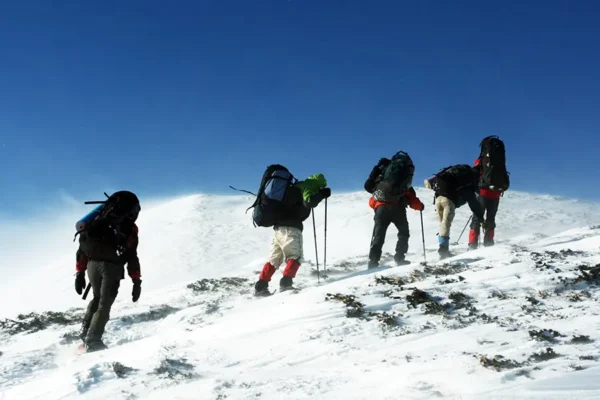
Sikkim has some of India’s most distinctive Himalayan trekking routes.
The landscape changes quickly as trails rise from villages and forests into alpine meadows and mountain viewpoints.
Goechala Trek
The Goechala Trek begins from Yuksom and follows the trail through Sachen, Tshoka, Dzongri, Thansing and Lamuney.
The usual trekking destination is Goechala Viewpoint 1, around 4,600 metres above sea level, rather than the higher Goecha La pass itself.
This is a demanding high-altitude camping trek.
Dzongri Trek
The Dzongri Trek follows the same lower trail but ends its high-altitude journey around Dzongri.
Dzongri Top, at approximately 4,200 metres, offers wide mountain views when the weather is clear.
Although shorter than Goechala, it still requires fitness and proper attention to altitude.
Uttarey Singalila Trek
The western Singalila region offers remote ridge walks and longer expedition routes near the Nepal border.
Our Uttarey Singalila Circuit Trek is a longer journey that begins near Uttarey, follows the western ridges, joins the Dzongri route and finishes at Yuksom.
It is different from the Sandakphu trekking route in Darjeeling.
Other Outdoor Experiences
Depending on the destination and season, visitors can enjoy village walks, forest trails, birdwatching, photography and short nature hikes.
Some areas offer rafting, mountain biking or other adventure activities when operators, permissions and local conditions allow.
Not every visitor needs to trek at high altitude to appreciate Sikkim’s landscapes.
How to Reach Sikkim
Most travellers arrive in Sikkim by road from northern West Bengal.
Bagdogra Airport is a major gateway for visitors arriving by air.
New Jalpaiguri railway station, usually called NJP, is one of the main railway connections for the region.
From Bagdogra, Siliguri or NJP, travellers generally continue into Sikkim by private taxi or shared transport.
Pakyong Airport is located within Sikkim, but flight services should be checked before planning a journey around it because schedules and operations can change.
Travelling to Gangtok
Gangtok is commonly reached by road from Siliguri through the Teesta valley and Rangpo.
Travel time depends on traffic, weather, road conditions and the chosen route.
Mountain journeys can take longer than expected, so leave a sensible margin between transport connections.
Travelling to Pelling or Yuksom
Travellers visiting western Sikkim do not necessarily need to travel through Gangtok.
Depending on their starting point and road conditions, they may reach Pelling, Gyalshing or Yuksom through routes via Melli, Jorethang and other western connections.
This is particularly useful for people beginning the Goechala or Dzongri treks from Yuksom.
Do You Need a Permit to Visit Sikkim?
Indian citizens do not need an Inner Line Permit to enter the ordinary tourist areas of Sikkim.
However, some border destinations and protected trekking routes require additional permits.
Foreign visitors generally need a valid Sikkim entry permission, commonly called the Inner Line Permit or Restricted Area Permit.
Additional permits may be required for protected destinations and high-altitude trekking.
Foreign entry-permit applications now use the prescribed online process.
For the current procedures, documents and trekking requirements, read our Sikkim Travel Permit Guide.
Responsible Travel in Sikkim
Sikkim’s forests, rivers and sacred places form part of the lives of the people who live here.
Visitors should treat them accordingly.
Avoid leaving plastic wrappers, disposable bottles, batteries or used hygiene products along roads and mountain trails.
Respect local customs when entering monasteries, temples and traditional worship places.
Ask before photographing people, private homes or religious ceremonies.
If you are planning a trek, follow the approved route and the environmental requirements of the national park or sanctuary.
Local homestays, guides, drivers, cooks and small businesses play an important role in the tourism economy.
Supporting responsible local services helps keep more of the benefits of tourism within the communities visitors have come to experience.
Frequently Asked Questions About Sikkim
Is Sikkim a state or a country?
Sikkim is a state of India. It was formerly a Himalayan kingdom and became India’s 22nd state on 16 May 1975.
What is the capital of Sikkim?
Gangtok is the capital and the state’s main administrative centre.
Where is Sikkim located in India?
Sikkim is in northeastern India, within the Eastern Himalayas. It borders Nepal, Bhutan, Tibet and West Bengal.
What is Sikkim famous for?
Sikkim is known for Mount Khangchendzonga, its mountain landscapes, biodiversity, monasteries, indigenous cultures, festivals and trekking routes. It is also recognised for its organic agriculture policy.
Who are the indigenous people of Sikkim?
The Lepcha and Limbu communities have longstanding indigenous histories in Sikkim. The Bhutia community also has deep historical roots in the region. Sikkim is home to many additional communities with distinct cultural identities.
Are Limbu and Tsong the same community?
Yes. Limbu, Limboo, Yakthung and Tsong are names associated with the same community. Chongs is also used locally.
How many districts are there in Sikkim?
There are six districts: Gangtok, Mangan, Namchi, Gyalshing, Pakyong and Soreng.
Which is the highest mountain in Sikkim?
Mount Khangchendzonga, at 8,586 metres, is the highest mountain associated with Sikkim and the third-highest mountain in the world.
What is the state flower of Sikkim?
The Nobile Orchid, Dendrobium nobile, is the state flower. The state tree is Rhododendron niveum.
What language is spoken in Sikkim?
Nepali is widely spoken as a common language. English, Hindi, Bhutia, Lepcha, Limbu and several other community languages are also used.
What is the best time to visit Sikkim?
Spring and autumn are popular for sightseeing and mountain views. However, the best time depends on the destination and activity. Some lower-altitude places can be visited throughout much of the year.
Is Sikkim suitable for a family holiday?
Yes. Gangtok, Pelling, Namchi, Ravangla and many accessible villages offer experiences suited to families. High-altitude destinations require more planning, especially when travelling with children or older family members.
Do foreigners need a permit for Sikkim?
Most foreign tourists need a Restricted Area Permit, commonly called the Sikkim Inner Line Permit, and may require additional permissions for protected destinations.
Can I visit Sikkim without trekking?
Yes. Sikkim offers monastery visits, scenic drives, village stays, cultural attractions, gardens, lakes and short walks. High-altitude trekking is only one of its many travel experiences.
Discover Sikkim Beyond the Familiar Tourist Routes
Sikkim is easy to admire from a viewpoint. Understanding it takes a little more time.
Its forests and mountains are inseparable from the history of its people. The monasteries tell one part of that story, while indigenous religious traditions, village festivals, languages and everyday family life tell many others.
For visitors, the most rewarding journeys often combine familiar places with opportunities to spend time in smaller towns and villages.
At Go Wild Expedition, we plan journeys across Sikkim from our local bases in Gangtok and Yuksom. Our work includes guided treks, family holidays, cultural sightseeing and private vehicle tours.
Whether you want to explore the mountain trails of western Sikkim or travel comfortably between the state’s towns and valleys, understanding the places you visit makes the journey more meaningful.
Sikkim has much to offer, but its greatest value lies in more than the scenery. It lies in the living relationship between the land and its people.