The best time to visit Sikkim is from March to May and from October to mid-December. But if you are actually planning a trip, that answer is only the starting point.
There is no single month that is best for every Sikkim holiday.
If you want rhododendrons and colourful mountain landscapes, spring is a wonderful time to come. If clear views of Khangchendzonga matter most, October and November are usually better choices. If you are coming for snow, you need winter. And if Goecha La, Dzongri or another high-altitude trek is the main purpose of your trip, you need to plan around the trekking season rather than the normal sightseeing season.
There is another reason the answer changes from traveller to traveller: Sikkim’s weather changes dramatically with altitude.
Gangtok may have a pleasant afternoon while Tsomgo Lake is freezing. Pelling may be comfortable while the higher sections of the Goecha La trail are bitterly cold. A road that is easy to travel in one part of Sikkim may be affected by snow or heavy rain somewhere else.
So, instead of asking only, “What is the best month to visit Sikkim?”, ask a more useful question:
What do I want to experience in Sikkim?
Once you know that, choosing the right month becomes much easier.
Best Time to Visit Sikkim at a Glance
If you are planning your first Sikkim trip and want a quick answer, April, May, October and November are the months we would look at first.
Here is how the choice changes according to the type of trip you want.
| What you want from your Sikkim trip | Best time to consider |
|---|---|
| First-time Sikkim trip | April to May, October to November |
| Best overall sightseeing weather | March to May, October to mid-December |
| Clear Himalayan views | October to November |
| Rhododendrons and spring flowers | April to May |
| Gangtok sightseeing | March to May, October to December |
| Pelling and West Sikkim | March to May, October to December |
| North Sikkim | Spring and autumn, depending on current road conditions |
| Yumthang Valley in spring | April to May |
| Snow experience | Late December to February, sometimes into March at higher elevations |
| Goecha La and Dzongri trekking | Spring and autumn |
| Varsey Rhododendron Sanctuary | April to May |
| Photography | October to November for mountains; April to May for flowers |
| Family holiday | April to May, October to November |
| Honeymoon | April to May, October to December |
| Waterfalls and deep greenery | Monsoon |
| Quieter holiday | Winter outside holiday periods |
| Road-heavy multi-destination trip | Avoid the wettest monsoon period if possible |
If you want one simple distinction to remember, use this:
Choose spring for flowers, forests and greener landscapes.
Choose autumn for clearer skies and mountain views.
Which Is the Best Month to Visit Sikkim?
If we had to choose one month for a first-time traveller who wants a broad Sikkim sightseeing holiday, October would be one of our strongest choices.
The main monsoon has usually passed. The hills remain green, temperatures are comfortable at lower and middle elevations, and the chances of seeing the Himalayan ranges clearly improve.
October also works well for a trip combining places such as Gangtok, Pelling, Ravangla and other parts of Sikkim.
But October is not automatically the best month for everyone.
If you want rhododendrons, flowers and spring landscapes, April is a better choice.
If Yumthang and North Sikkim’s spring scenery are priorities, May becomes particularly interesting.
If mountain photography matters more than warm weather, November can be excellent.
If snow is the whole reason you are coming, you should be looking at winter, not October.
That is why we prefer thinking in terms of the best month for your trip rather than declaring one month the winner for every traveller.
Why the Best Time to Visit Sikkim Changes by Region
Sikkim is a small state, but the difference in elevation is enormous.
This creates very different climatic zones within a relatively short distance.
Gangtok sits at around 1,650 metres. Tsomgo Lake is above 3,700 metres. Nathula is above 4,300 metres. The trekking routes of West Sikkim climb from inhabited valleys and forests into genuine high-altitude Himalayan terrain.
That means a temperature forecast for Gangtok tells you very little about what you will experience at Nathula.
The same principle applies across the state.
A traveller spending a week around Gangtok, Namchi and Ravangla has far more seasonal flexibility than someone whose entire trip depends on reaching high-altitude North Sikkim.
This is why we always recommend deciding your route before finalising your travel month.
Best Time to Visit Sikkim by Season
For travel planning, Sikkim can broadly be divided into four seasonal periods:
Spring: March to May
Monsoon and wetter months: June to September
Autumn: October to November
Winter: December to February
These are useful travel categories, not rigid weather boundaries.
March can still feel like winter high in the mountains.
May can already become quite wet.
September can still receive heavy rain.
December may feel like a cool autumn day in one location and proper winter in another.
The month matters, but elevation and current weather matter just as much.
Spring in Sikkim: March to May
Spring is one of the best times for a broad Sikkim holiday.
Temperatures become more comfortable at lower and middle elevations. Forests regain colour. Rhododendrons begin flowering. Trekking conditions improve on several routes. And travellers can usually spend more time outdoors than during the coldest winter months.
But March, April and May offer noticeably different experiences.
Sikkim in March
March is a transition month.
Gangtok, Pelling, Namchi and similar elevations begin moving into spring, while higher areas can still be firmly in winter.
Snow may remain at higher elevations. Tsomgo Lake, Nathula and parts of North Sikkim can still be extremely cold even when the afternoon feels pleasant in Gangtok.
March can be a good choice if you prefer cooler weather and want to arrive before the busiest part of the spring travel season.
It is also when trekking activity begins returning to several routes.
If your trip includes high-altitude sightseeing, however, pack for winter rather than assuming the whole state has entered spring.
Sikkim in April
April is one of the most versatile months for visiting Sikkim.
The weather is generally comfortable for sightseeing. Forests are greener. Spring colour becomes much more obvious. Rhododendrons begin transforming parts of western Sikkim.
April works especially well for travellers interested in:
- Gangtok and surrounding sightseeing
- Pelling and West Sikkim
- Yuksom
- Ravangla and Namchi
- monasteries and cultural sightseeing
- rhododendrons
- photography
- hiking
- spring trekking
Varsey Rhododendron Sanctuary becomes particularly attractive around this period.
April is also popular, especially around holiday dates. If you are travelling during a busy week, it is worth arranging your preferred hotels and vehicles in advance.
Sikkim in May
May is another excellent month, but it needs a little more planning than April.
The hills are green, spring flowers remain an attraction, and higher areas become more approachable than they were during winter.
May is particularly attractive for travellers interested in Yumthang Valley and the spring landscapes of North Sikkim.
The important difference is rainfall.
As May progresses, Sikkim moves closer to its wetter season. Rain becomes more frequent, cloud increases, and road conditions deserve more attention.
That does not make May a bad month.
For flowers, greenery and North Sikkim, it can be one of the most rewarding periods of the year.
We simply prefer keeping a little more flexibility in a May itinerary than we would in the driest autumn months.
Sikkim in June
June is where describing Sikkim simply as being in its “summer season” becomes misleading.
Temperatures at many tourist destinations remain comfortable, but rainfall becomes a much bigger factor.
The landscape is beautiful. Forests turn intensely green. Waterfalls gain strength. Clouds move through the valleys and the hills take on their monsoon character.
The main concern is not whether you mind getting wet.
It is what prolonged rain can do to mountain roads.
A relaxed trip based mainly around Gangtok can still work in June.
A tightly packed itinerary involving long drives between Gangtok, North Sikkim, Pelling and Yuksom needs more caution.
If you have complete freedom to choose your dates and want a conventional sightseeing holiday, April, May, October or November would normally be easier months to work with.
Monsoon in Sikkim: July to September
Sikkim during the monsoon can be spectacular.
It can also be unpredictable.
The hills become intensely green. Waterfalls are powerful. Clouds hang low over forested valleys. Mist moves across monasteries, villages and mountain roads.
For travellers who love monsoon landscapes, this is a completely different side of Sikkim.
For a first-time visitor trying to cover several regions in one trip, however, July and August are difficult months to recommend.
The main reason is road reliability.
Heavy and prolonged rain can trigger landslides, falling debris, road damage and temporary closures. A journey that is straightforward in October can become unpredictable during a spell of intense monsoon rain.
Should You Visit Sikkim During the Monsoon?
You can, but the itinerary needs to suit the season.
There is a major difference between spending five relaxed days around Gangtok and trying to cover Gangtok, Lachung, Pelling and Yuksom on a tightly scheduled circuit.
Monsoon travel can work well if you:
- enjoy rain and misty landscapes
- want to see Sikkim at its greenest
- love waterfalls
- do not mind changing plans
- can keep spare time in your itinerary
- prefer staying longer in fewer places
What we would avoid is building a monsoon holiday around several long drives that absolutely have to happen on particular days.
One road disruption can affect the rest of the itinerary.
What Is Sikkim Like in September?
September is a transition month.
Do not assume the monsoon disappears as soon as August ends.
Rain can continue through September, and saturated mountain slopes can remain vulnerable even when rainfall begins to decrease.
If you have complete flexibility and are choosing between September and October for a first sightseeing trip, October is normally the easier choice.
September can still work, but it deserves more flexibility.
Autumn in Sikkim: October to November
If your image of Sikkim involves blue skies, cold mornings and Khangchendzonga rising clearly above the hills, autumn is the season to consider first.
October and November are among the best months for mountain views.
The heavy monsoon has withdrawn, humidity falls, and visibility across the Himalayan ranges often improves.
The landscape can still be beautifully green in October after months of rain.
Sikkim in October
October is one of our favourite all-round months for Sikkim.
It works well for first-time visitors, families, couples, photographers and trekkers.
It is also a practical month for combining several parts of the state in one itinerary.
The weather is cooler than spring, but winter has not yet fully taken hold at lower and middle elevations.
October is popular for good reason, so do not expect the main tourist areas to be empty.
If you want the combination of comfortable sightseeing and better mountain visibility, October is hard to beat.
Sikkim in November
November is colder and generally drier.
If seeing Khangchendzonga clearly is one of the main reasons for your trip, November deserves serious consideration.
Pelling can be especially rewarding at this time. On a clear morning, the mountain range dominates the horizon.
Gangtok also becomes noticeably colder, particularly early in the morning and after sunset.
At higher elevations, winter is approaching quickly.
For travellers who do not mind cold mornings and evenings, November is one of the strongest months of the year.
Winter in Sikkim: December to February
Winter changes the character of Sikkim completely.
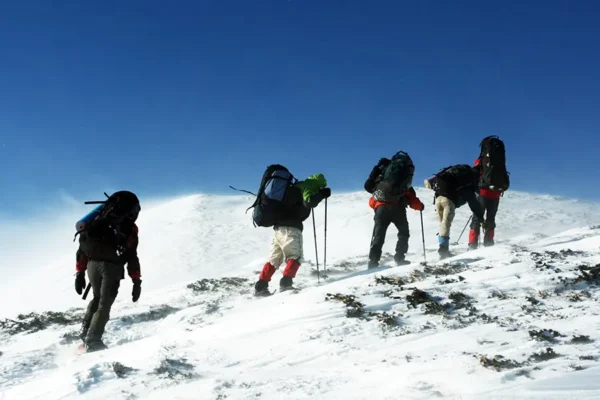
This is the period to consider if cold Himalayan landscapes and snow are important parts of the experience you want.
But winter needs to be understood properly.
Snow and easy road access do not always go together.
The same snowfall that creates the landscape you came to see can make a high-altitude road difficult or temporarily inaccessible.
That is why we do not recommend building a winter trip around one high-altitude excursion that absolutely must happen on one particular day.
Sikkim in December
Early December can still be excellent for normal sightseeing.
Gangtok, Pelling, Ravangla and Namchi remain attractive, and clear mountain views are possible.
As December progresses, winter becomes increasingly important at higher elevations.
If your itinerary includes Tsomgo Lake, Nathula or North Sikkim, weather conditions become a larger part of the planning.
December is a good month for travellers who enjoy cold weather and do not mind some uncertainty at altitude.
Sikkim in January
January is one of the coldest periods of the year.
Gangtok itself is considerably milder than the high-altitude destinations, but mornings and nights are cold.
At Tsomgo, Nathula and high parts of North Sikkim, conditions can be severe.
January suits travellers who genuinely want a winter holiday rather than people simply looking for the easiest sightseeing conditions.
Sikkim in February
February remains wintry, particularly at altitude.
Lower and middle elevations slowly begin moving towards spring, but you should still plan high-altitude excursions as winter journeys.
For travellers who want cold weather and the possibility of snow without travelling during the Christmas and New Year period, February can be interesting.
Best Time to Visit Different Parts of Sikkim
The best month changes once you start looking at individual destinations.
This is especially important if you are planning a trip that combines different elevations.
Best Time to Visit Gangtok
For Gangtok, March to May and October to December are excellent.
April is ideal if you like spring weather.
October and November are particularly good if you prefer cooler conditions and clearer mountain views.
Winter can also be enjoyable if you do not mind cold mornings and evenings.
One mistake first-time travellers often make is using Gangtok’s weather to judge the rest of the day’s journey.
You can leave a relatively comfortable Gangtok morning and reach freezing, windy conditions at Tsomgo or Nathula a few hours later.
Dress for the highest point you will reach that day.
Best Time to Visit North Sikkim
North Sikkim needs more careful planning than most other parts of the state.
For leisure travellers, spring and autumn are the main periods to consider.
April and May are attractive for Lachung and the spring landscapes around Yumthang.
October and November are colder but can offer excellent mountain scenery and clearer skies.
Winter brings the possibility of snow, along with greater uncertainty.
The monsoon creates a much higher risk of road disruption.
There is another important point with North Sikkim: never assume that a route is accessible simply because it is normally accessible during that month.
Road conditions can change after landslides, floods, snow, repair work or other mountain events.
For North Sikkim, seasonal knowledge tells you when to plan.
Current road conditions tell you whether that plan can actually operate.
Best Time to Visit Yumthang Valley
For most travellers, April and May are particularly attractive for Yumthang Valley.
Spring changes the high valley.
Vegetation returns, flowers become part of the landscape and the entire journey feels very different from its winter version.
If your main interest is snow rather than flowers, winter becomes more appealing.
But winter access is also more dependent on current weather and road conditions.
For a first Yumthang trip where you want a good balance of scenery and manageable travel conditions, spring is usually easier.
Best Time to Visit Tsomgo Lake and Nathula
For general sightseeing, April to May and October to November are strong periods for the Tsomgo Lake and Nathula route.
If snow is your priority, winter becomes more interesting.
But the trade-off is reliability.
Fresh snow can make the landscape spectacular while also affecting road movement.
So the practical choice is simple.
Choose spring or autumn for easier sightseeing.
Choose winter if the snow experience matters more and you can accept uncertainty.
Best Time to Visit Pelling and West Sikkim
For Pelling and much of West Sikkim, March to May and October to December are excellent periods.
Spring brings flowers, greener forests and pleasant outdoor conditions.
Autumn brings the advantage Pelling is famous for: clearer views towards the Khangchendzonga range.
If flowers are the priority, choose spring.
If mountain views are the priority, choose autumn.
Pelling also combines naturally with places such as Yuksom, Khecheopalri Lake, Pemayangtse and other parts of western Sikkim.
Best Time to Visit Yuksom
Yuksom works particularly well in spring and autumn.
For ordinary sightseeing, March to May and October to November are comfortable periods.
For trekkers, Yuksom has a much larger role.
It is the gateway to the Dzongri and Goecha La route.
If trekking is the main reason for coming here, choose your dates according to trail conditions and the trekking season rather than the general sightseeing calendar.
Best Time to Visit Ravangla and Namchi
For Ravangla, Namchi and much of South Sikkim, March to May and October to November are easy periods to recommend.
These destinations work particularly well for travellers interested in monasteries, viewpoints, cultural attractions, scenic drives and a slower Sikkim experience.
Spring is greener and more colourful.
Autumn generally gives you better mountain visibility.
The monsoon can also be beautiful here, but South Sikkim is still mountain country. Heavy rain can affect slopes and roads.
Best Time to Visit Varsey Rhododendron Sanctuary
If Varsey is an important part of your trip, plan around April and May.
This is rhododendron country.
During the flowering season, the forests can be filled with colour.
The exact peak changes from year to year because flowering depends on altitude, temperature and seasonal weather.
If rhododendrons are the main reason for travelling, mid-April to early May is a useful period to investigate first.
Best Time to Visit Sikkim for Trekking
A trekking trip should not be planned using the same calendar as an ordinary sightseeing holiday.
The altitude is higher, weather exposure is greater, and trail conditions matter much more.
For many of Sikkim’s important high-altitude routes, spring and autumn are the main trekking seasons.
Best Time for the Goecha La Trek
The main trekking windows for Goecha La fall in spring and autumn.
The classic route begins at Yuksom and climbs through Tshoka and Dzongri before continuing towards the higher sections of the trail.
Spring and autumn give you two very different versions of the trek.
Goecha La in Spring
Spring is the colourful season.
Forests become greener, rhododendrons bloom and the lower sections of the trail can be beautiful.
April and May are particularly attractive.
As you move towards the wetter part of the year, however, cloud and precipitation generally become more important.
Goecha La in Autumn
Autumn is colder but often better for clear mountain views.
October and November are the months many trekkers consider first when seeing the high Himalayan landscape clearly is the main priority.
The trade-off is temperature.
Conditions become very cold once you move above the forested sections, especially early in the morning and after sunset.
If Goecha La is the main purpose of your Sikkim trip, choose your trekking dates first.
Build the rest of the holiday around them.
Best Time for the Dzongri Trek
Dzongri follows broadly the same seasonal pattern as Goecha La because both use the trail from Yuksom.
Choose spring if you want flowers, colourful forests and a greener trail.
Choose autumn if clear mountain views matter more.
Although a Dzongri itinerary is shorter than completing the full Goecha La route, this is still a high-altitude Himalayan trek.
Do not treat it as an ordinary hill walk simply because it takes fewer days.
Best Time for the Singalila Trek
The Singalila side of western Sikkim has a somewhat broader trekking period.
But a broad trekking season does not mean every month offers equally good conditions.
The middle of the monsoon can bring wet trails, cloud and poor mountain visibility.
If seeing the Himalayan ranges clearly is a priority, the drier part of the season is generally more attractive.
If forests, vegetation and greener landscapes matter more, the wetter months offer a completely different experience.
Best Time to Visit Sikkim for Different Experiences
Sometimes choosing your month by activity is easier than choosing it by destination.
Best Time for Rhododendrons and Flowers
For rhododendrons, plan around April and May.
Varsey is one of the best-known places for them, but rhododendrons are not limited to one sanctuary.
Different species grow at different elevations, so the flowering period moves through the mountains rather than happening everywhere on one exact date.
Weather also affects the bloom each year.
If flowers are the main purpose of your Sikkim trip, mid-April to early May is a sensible period to consider first.
Best Time to Visit Sikkim for Snow
For snow, look at late December to February, with snow often remaining at higher elevations into March.
The important phrase is higher elevations.
Do not plan a January holiday expecting Gangtok city to look like a ski resort.
For a proper snow experience, travellers normally look towards high-altitude areas such as Tsomgo Lake, Nathula, Yumthang and Zero Point.
Snowfall cannot be guaranteed for one particular date.
If seeing snow is essential, give yourself more than one possible day for high-altitude sightseeing.
Best Time for Clear Khangchendzonga Views
For mountain views, October and November are our preferred months.
This matters particularly in Pelling and other western viewpoints where Khangchendzonga is one of the main reasons for visiting.
Spring can also produce beautiful mornings, but cloud becomes more common as the wetter season approaches.
During the monsoon, you can spend days surprisingly close to the mountains without seeing much of them.
And whatever month you choose, wake up early.
In the Himalayas, your best mountain view often comes before breakfast.
Best Time for Photography
There are several photography seasons in Sikkim.
For mountain landscapes, choose October and November.
For rhododendrons, flowers and colourful forests, choose April and May.
For waterfalls, mist and intensely green landscapes, the monsoon can be extraordinary.
The monsoon is also the least convenient of those periods for moving around the state.
Photographers therefore need to decide whether the priority is dramatic weather or easier travel.
Best Time to Visit Sikkim With Family
For most family holidays, April to May and October to November are the easiest periods to work with.
These months avoid both the heaviest monsoon conditions and the coldest part of winter.
They also suit mixed itineraries involving Gangtok, Pelling, Ravangla and moderate amounts of high-altitude sightseeing.
If you are travelling with young children or older family members, do not make every day about altitude.
A good Sikkim family holiday can combine monasteries, viewpoints, gardens, villages, local food, scenic drives and easy walks without spending every day above 3,000 metres.
Best Time to Visit Sikkim for a Honeymoon
For honeymoons, April, October and November are particularly good choices.
April gives you spring landscapes and flowers.
October and November bring cooler evenings and better chances of clear Himalayan views.
December can also be beautiful if both of you enjoy winter.
If the dream is specifically about snow, January and February become more interesting, but keep the itinerary flexible.
Best Time to Visit Sikkim With Fewer Crowds
If avoiding busy travel periods matters to you, look outside the main April-May and October-November peaks.
March can be a useful compromise.
Early December can also work well.
January and February are quieter in many lower and middle-elevation destinations, although snow-oriented locations can still attract visitors.
The monsoon is quieter too, but the lower visitor numbers come with significant weather trade-offs.
We would not choose July simply to avoid crowds unless you genuinely enjoy monsoon travel.
Which Month Is Better for Visiting Sikkim?
Some months are difficult to compare because they produce completely different experiences.
Here are the comparisons that matter most.
April or May?
Choose April if you want a slightly more comfortable balance of spring weather, flowers and general sightseeing.
Choose May if Yumthang, North Sikkim and greener spring landscapes are higher priorities.
Rain generally becomes more important as May progresses.
For a broad first-time sightseeing itinerary, April has a slight advantage.
For a spring-focused North Sikkim trip, May can be more rewarding.
May or October?
This is one of the most useful comparisons.
The two months show you completely different versions of Sikkim.
May is greener and better for spring landscapes.
October is generally better for clear mountain views.
If seeing Khangchendzonga is one of the main reasons for your trip, choose October.
If flowers, Yumthang and lush scenery are more important, choose May.
April or November?
Choose April for spring colour, flowers and milder evenings.
Choose November for colder, drier weather and clearer Himalayan views.
For families who dislike cold weather, April is easier.
For mountain photographers, November is particularly attractive.
When Should You Avoid Visiting Sikkim?
There is no month when the entire state becomes completely unsuitable for every traveller.
But there are periods that require much more flexibility.
For most first-time travellers, July and August are the most difficult months for a road-heavy Sikkim itinerary because of monsoon rainfall and landslide risk.
Deep winter can also be challenging if your entire trip depends on reaching specific high-altitude destinations.
The question is therefore not simply “When should I avoid Sikkim?”
A better question is:
Which season creates the biggest problem for the itinerary I want?
Is Monsoon a Bad Time to Visit Sikkim?
Not necessarily.
It is a difficult time for a conventional multi-destination road trip.
That is different from saying Sikkim is not worth visiting.
The monsoon landscape is beautiful.
But you need to travel according to the season.
Stay longer in fewer places.
Keep buffer time.
Do not schedule important onward travel immediately after a long mountain drive.
Be prepared to change your plan if road or weather conditions deteriorate.
That approach works much better than trying to force a dry-season itinerary into July or August.
Is Winter a Difficult Time to Visit Sikkim?
Winter is only difficult if your expectations do not match the season.
If you want cold weather, quieter landscapes and the possibility of snow, winter can be excellent.
If your trip succeeds only if every high-altitude road remains open exactly according to schedule, winter is a riskier choice.
Plan alternatives and the season becomes much easier to enjoy.
Sikkim Month-by-Month Travel Guide
This table gives you the whole year in one place.
| Month | Overall experience | Best for | Main thing to remember |
|---|---|---|---|
| January | Cold winter | Snow seekers, quiet holidays | High-altitude roads depend on weather |
| February | Cold, gradually moving towards spring | Snow, quieter travel | Winter continues at altitude |
| March | Early spring | Sightseeing, early trekking | High areas can remain snowy |
| April | Excellent | First trips, flowers, trekking, sightseeing | Popular travel month |
| May | Excellent | Yumthang, flowers, greenery, trekking | Rain increases |
| June | Mixed | Green landscapes, slower holidays | Wetter and more road-sensitive |
| July | Difficult for road-heavy trips | Monsoon scenery, waterfalls | Heavy rain and landslides |
| August | Difficult for road-heavy trips | Greenery, slow travel | Rain, cloud and road disruption |
| September | Transitional | Flexible travellers | Monsoon effects can continue |
| October | Excellent | Sightseeing, trekking, photography | Popular season |
| November | Excellent | Mountain views and photography | Colder mornings and nights |
| December | Good, increasingly wintry | Winter holidays, mountain scenery | High-altitude uncertainty increases |
What to Pack for Sikkim in Different Seasons
Sikkim is a place where layered clothing works better than packing for one fixed temperature.
You can move from a mild town to a freezing high-altitude destination in the same day.
March to May
Pack comfortable daytime clothing, light woollens, a warm jacket, good walking shoes, sun protection and a rain layer.
If North Sikkim, Tsomgo or Nathula is part of the trip, carry proper warm clothing even if Gangtok feels pleasant.
June to September
Rain protection becomes essential.
Carry a waterproof jacket, quick-drying clothes, sturdy footwear and waterproof protection for electronics and important belongings.
An umbrella is useful around towns, but a proper rain jacket is much more practical when you are walking or stopping along mountain roads.
October and November
Bring layers.
Days can feel comfortable in sunshine while mornings and evenings become cold.
A fleece and insulated jacket are useful, especially in November.
December to February
Pack for winter.
Thermal layers, a proper insulated jacket, gloves, warm socks, a woollen cap and suitable footwear become important.
If you are travelling to high altitude, do not use Gangtok’s temperature as your packing guide.
How Much Buffer Time Should You Keep in Your Sikkim Itinerary?
During stable weather in April, October or November, a normal itinerary does not require excessive spare time.
But for North Sikkim, winter travel and monsoon trips, flexibility becomes much more valuable.
Even one spare day can make a significant difference.
This is particularly important before a return flight from Bagdogra or an important train journey.
Avoid finishing a long mountain journey only a few hours before a flight.
A road delay that would otherwise be a minor inconvenience can become a major problem when you have no buffer.
So, What Is the Best Time to Visit Sikkim?
For most travellers, there are two outstanding travel periods.
March to May is best for spring landscapes, rhododendrons, greenery, trekking and comfortable sightseeing.
October to mid-December is best for cooler weather, clearer skies and Himalayan views.
Within those periods:
Choose April for a well-balanced spring holiday.
Choose May for flowers, Yumthang and green mountain landscapes.
Choose October for one of the best combinations of sightseeing weather and mountain scenery.
Choose November if clear Himalayan views and photography matter more than warm weather.
Choose January or February if snow is one of the main reasons for your trip and you can accept uncertainty at high altitude.
Choose July or August only if you genuinely want the monsoon experience and can travel with a flexible itinerary.
Most importantly, choose your Sikkim experience before choosing your month.
A Gangtok and Pelling holiday does not have the same ideal dates as a North Sikkim journey.
A Goecha La trek does not follow the same calendar as a family sightseeing trip.
A snow holiday and a rhododendron trip are almost opposite experiences.
Once you know what you want from Sikkim, choosing the right time becomes much easier.
Frequently Asked Questions
Which month is best to visit Sikkim?
April, October and November are among the strongest choices for a first trip. April is better for spring landscapes and flowers, while October and November are generally better for clear Himalayan views.
What is the best season to visit Sikkim?
Spring from March to May and autumn from October to mid-December are the two main travel periods. Spring is better for flowers and greenery. Autumn is better for clearer skies and mountain views.
When is the best time to visit Gangtok?
March to May and October to December are excellent for Gangtok. Winter can also be enjoyable if you like cold weather.
Which month is best for North Sikkim?
April-May and October-November are useful periods to consider for many North Sikkim itineraries. However, current road and weather conditions are more important here than simply choosing a traditionally good month.
When is the best time to visit Yumthang Valley?
April and May are particularly attractive for travellers interested in spring landscapes and flowers. Winter offers a different experience centred more around cold and snow.
When can I see snow in Sikkim?
Late December through February gives you the strongest reason to plan a snow-focused trip. Snow can remain at higher elevations into March. Focus on high-altitude destinations rather than expecting Gangtok itself to be covered in snow.
When can I see rhododendrons in Sikkim?
April and May are the key months. Exact flowering dates vary with altitude and the weather in a particular year.
What is the best time for the Goecha La trek?
Spring and autumn are the main trekking periods. Spring offers rhododendrons and greener landscapes, while autumn generally offers colder, drier conditions and better prospects for clear mountain views.
What is the best time for the Dzongri trek?
The main choices are spring and autumn. Choose spring for flowers and colourful forests, or autumn for clearer Himalayan views.
Is May a good time to visit Sikkim?
Yes. May is excellent for flowers, greenery, Yumthang and many sightseeing itineraries. Rain becomes more frequent as the season progresses, so some flexibility is useful.
Is June a good time to visit Sikkim?
June can work, particularly for travellers who enjoy green landscapes and have flexible plans. It is considerably wetter than April and early May, so a road-heavy itinerary needs more caution.
Should I visit Sikkim in July or August?
You can, but these are difficult months for a tightly scheduled road trip. Heavy monsoon rain can cause landslides, delays and temporary road closures. They suit slower travellers who genuinely enjoy monsoon landscapes.
Is September a good time to visit Sikkim?
September is a transition month. Rain and monsoon-related road problems can continue. If you have complete flexibility between September and October, October is usually easier for a conventional sightseeing holiday.
Is October a good time to visit Sikkim?
Yes. October is one of the best all-round months for sightseeing, trekking, photography and mountain views.
Is November too cold for Sikkim?
Not for most ordinary sightseeing. Gangtok, Pelling, Ravangla and similar destinations are cold but manageable with appropriate clothing. High-altitude areas are considerably colder.
Is December a good time to visit Sikkim?
Yes. Early December can be particularly attractive for travellers who enjoy cold weather and clear mountain scenery. As winter progresses, high-altitude travel becomes increasingly dependent on snow and road conditions.
What is the best time to visit Sikkim with family?
April to May and October to November are excellent periods for most family holidays because they offer a good balance of sightseeing conditions and comfortable weather.
What is the best time to visit Sikkim for a honeymoon?
April, October and November are particularly good choices. Winter is another option for couples specifically looking for a cold-weather or snow-oriented holiday.
Which is better for Sikkim, spring or autumn?
Choose spring for flowers, forests, rhododendrons and greener landscapes.
Choose autumn for clearer skies, Khangchendzonga views and mountain photography.
For many travellers, that distinction is enough to choose the right time for their Sikkim trip.